The University of Arizona Insect Collection
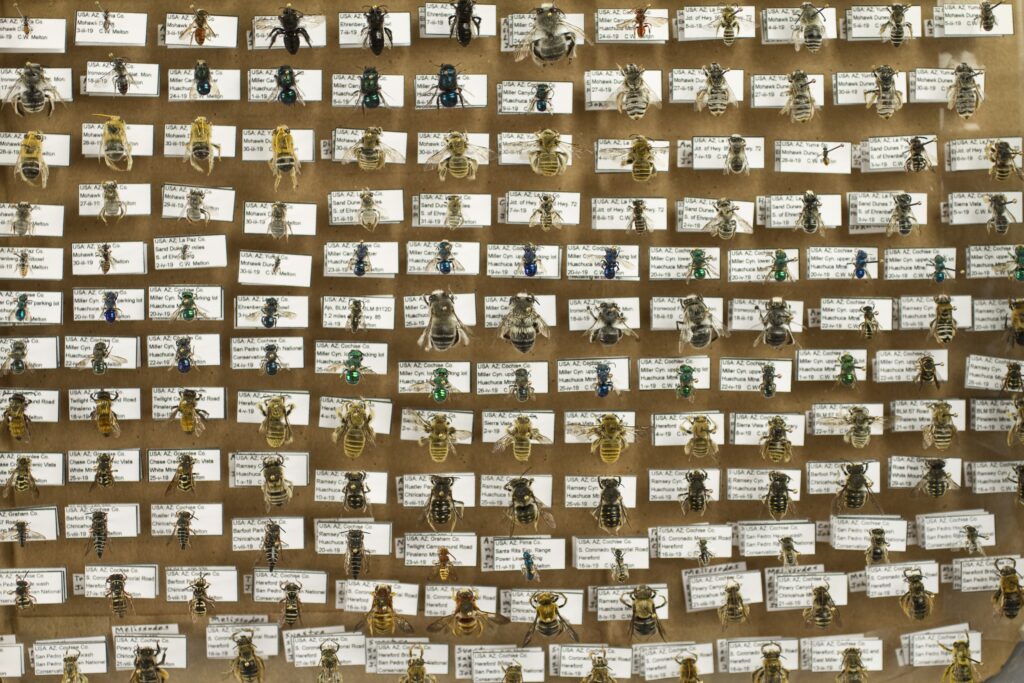
Over 2 million arthropod specimens from the Sonoran Desert Region, including approximately 120,000 native bees.
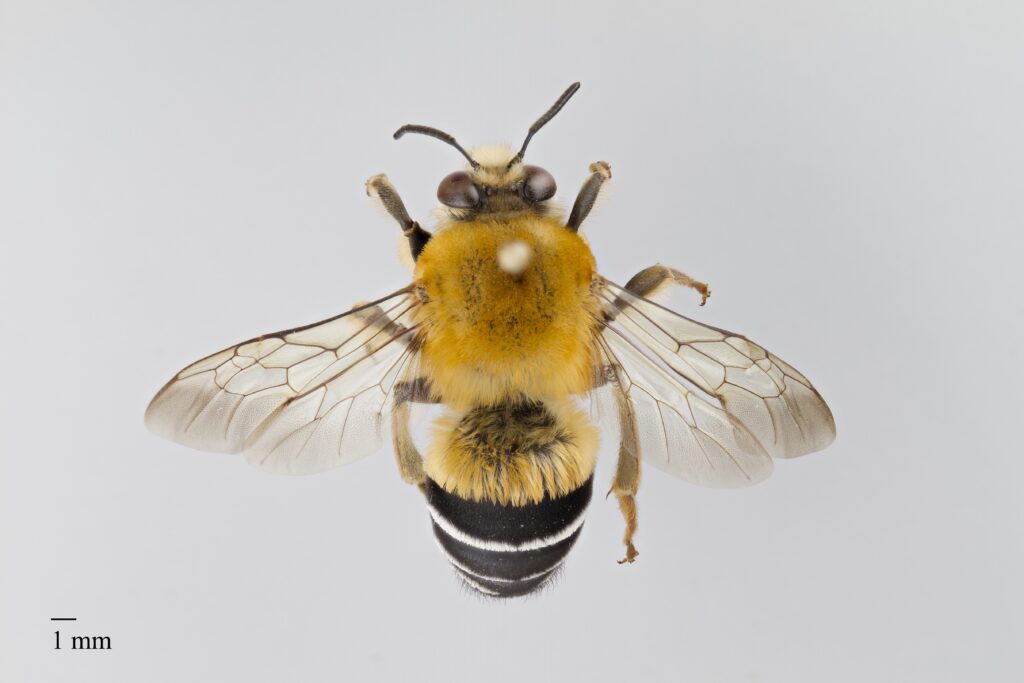
The University of Arizona Insect Collection (UAIC) is a historic collection, with specimens collected as far back as the late 1800s. Despite their age, these insects appear mostly unchanged from the day they were collected, down to the pollen granules carried on leg hairs.
For researchers and taxonomists, a complete physical collection is an invaluable resource for identifying new specimens. The UAIC also holds collections from specific researchers, which represent a concentrated effort in a certain species or geographic area. The Robert L. Minckley collection, from his study of bee diversity in southern Arizona, has added 70,000 new bee specimens and many new species to the UAIC. This resource has surmounted in one of the largest and most complete collections of Sonoran Desert bees in the world.

Specimen curation
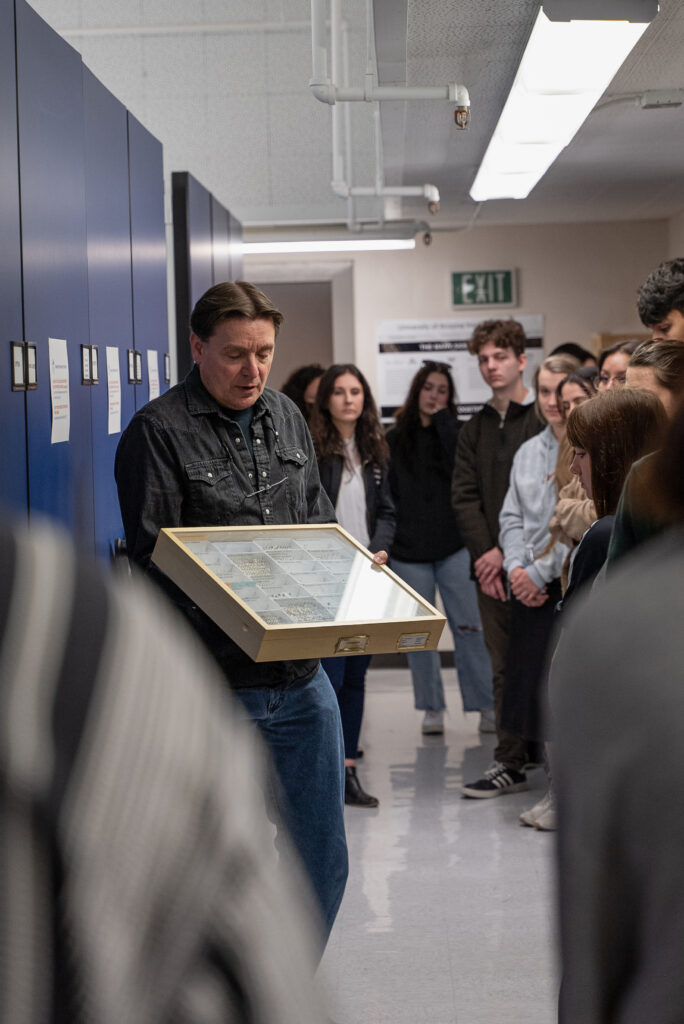
Curation is the ongoing care that keeps a collection useful. Each specimen is pinned, labeled, identified, and stored in protective drawers so it stays intact for researchers decades from now.
Ecdysis
Each specimen in the UAIC has a unique collection label containing important information such as the collection date, location, and associated plant hosts. For several years, student workers and volunteers have been digitizing specimens and they are now publicly available on the collection data portal, Ecdysis.
Each specimen is photographed with their labels removed and laid out beside them. The information from the label is then read and entered by hand. Once uploaded to Ecdysis, the specimen information is exported to international data resources like GBIF, which tracks occurrences and phenology for species on a global scale. Researchers around the world can use the data for their work.
Why digitize?
A label’s date, place, and plant host become searchable data. Anyone can look up where and when a bee was collected without handling the fragile original.

DNA vouchers
The Moore Lab of Arthropod Systematics (University of Arizona Department of Entomology) researches the systematics of terrestrial arthropods using molecular and morphological methods to infer phylogenies and describe their diversity. Molecular research begins with the extraction of DNA material from a physical specimen. The specimens are housed in the UAIC, and their DNA is housed in the lab’s voucher collection, with sequences and metadata uploaded to public databases.

Keeping the specimen and its data together
In this photo, the specimen is shown from above with its labels removed and laid out beside it. Once DNA is extracted, the image and label data link the physical bee, its genetic material, and its record, so a result can always be traced back to the original specimen.
Photographing specimens
Bees are small, so seeing their detail takes macro photography. Photographing a specimen close up lets researchers study features like hair, body sculpturing, and pollen loads that are hard to see by eye. These images help with identification and make the collection useful to people who cannot visit it in person.
Learn more about the collection, or search the digitized bee records yourself.