Bee DNA Barcoding at Pima Community College
Supporting the next generation of molecular biologists, one bee at a time.
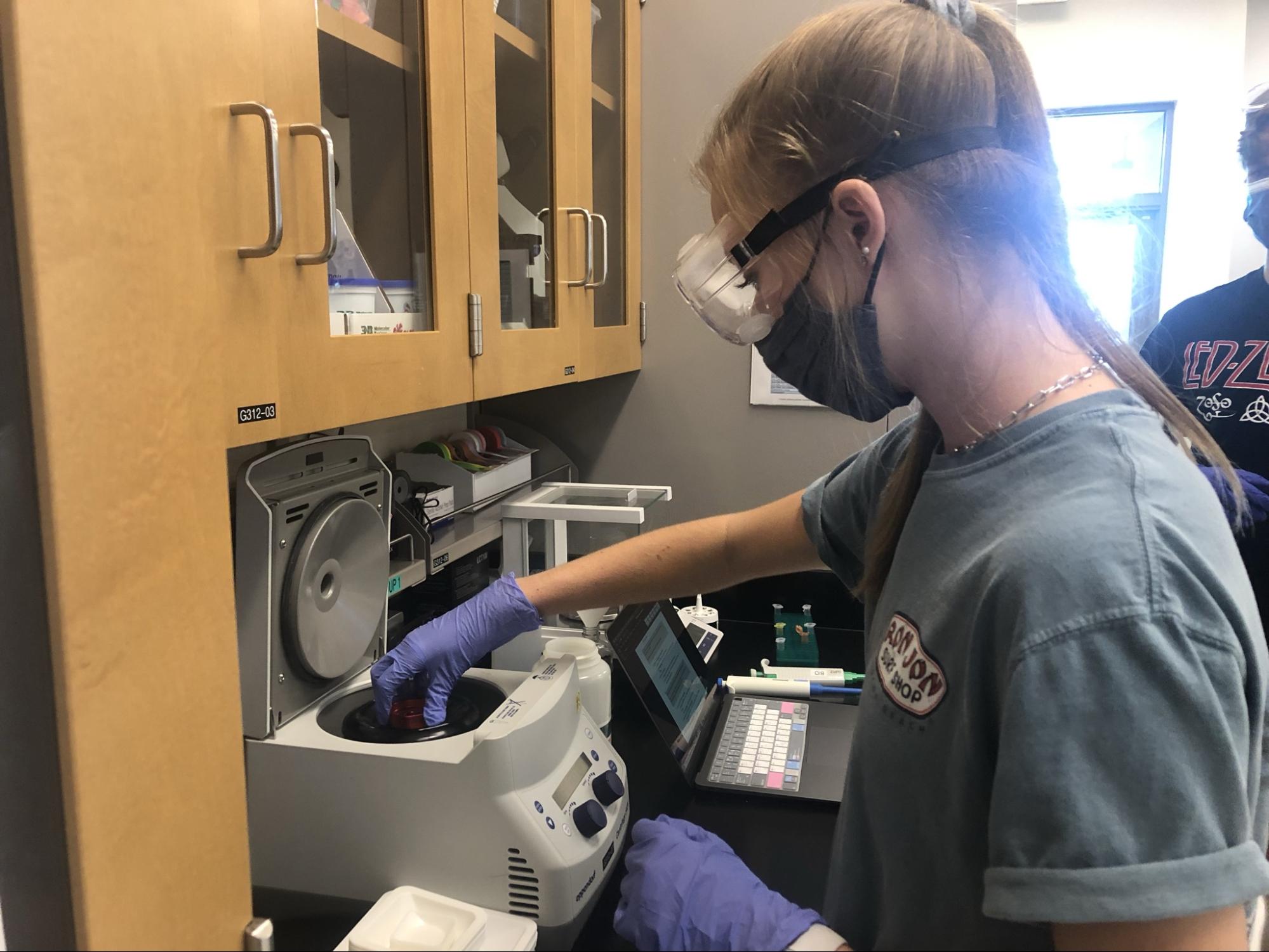
Students in “General Biology for Majors I” (BIO181) classes at Pima Community College (PCC) Northwest Campus participate in a Course-based Undergraduate Research Experience (CURE). PCC students identify wild bee species by extracting and analyzing DNA through a process called DNA barcoding.
Students provide bee species identifications to researchers at the Arizona-Sonora Desert Museum and the University of Arizona. Researchers must first identify species in order to better monitor and conserve these important pollinators. The Sonoran Desert is likely to have the highest bee diversity worldwide but this has not been well studied, and in fact this diversity was only realized in the last decade.
The students performed the extraction and analysis with help from our University of Arizona (UA) Department of Entomology partners, in particular the Insect Collection. They discussed the results with our Arizona Sonora Desert Museum partners and organized in an end-of-semester poster session to the general public. Several students traveled to Washington D.C. for the 2023 National Science Foundation’s Emerging Researchers Network Conference to present their results and attend workshops on educational opportunities and STEM careers.
The four steps of DNA barcoding
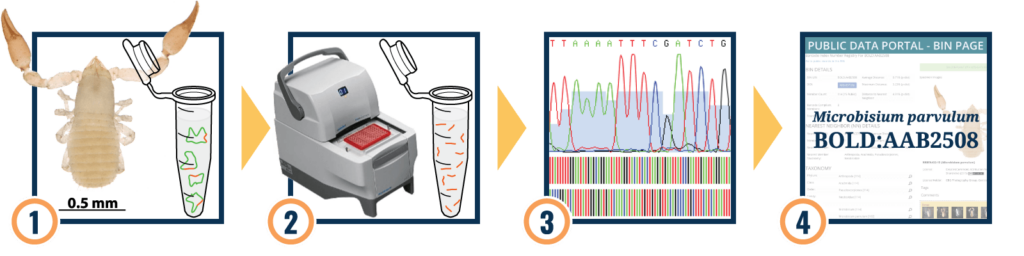
1
DNA Extraction
2
Polymerase Chain Reaction (PCR): make copies of the DNA of interest
3
Send samples to a commercial lab for DNA sequencing
4
View results using DNA Subway and the Barcode of Life Data System (BOLD)
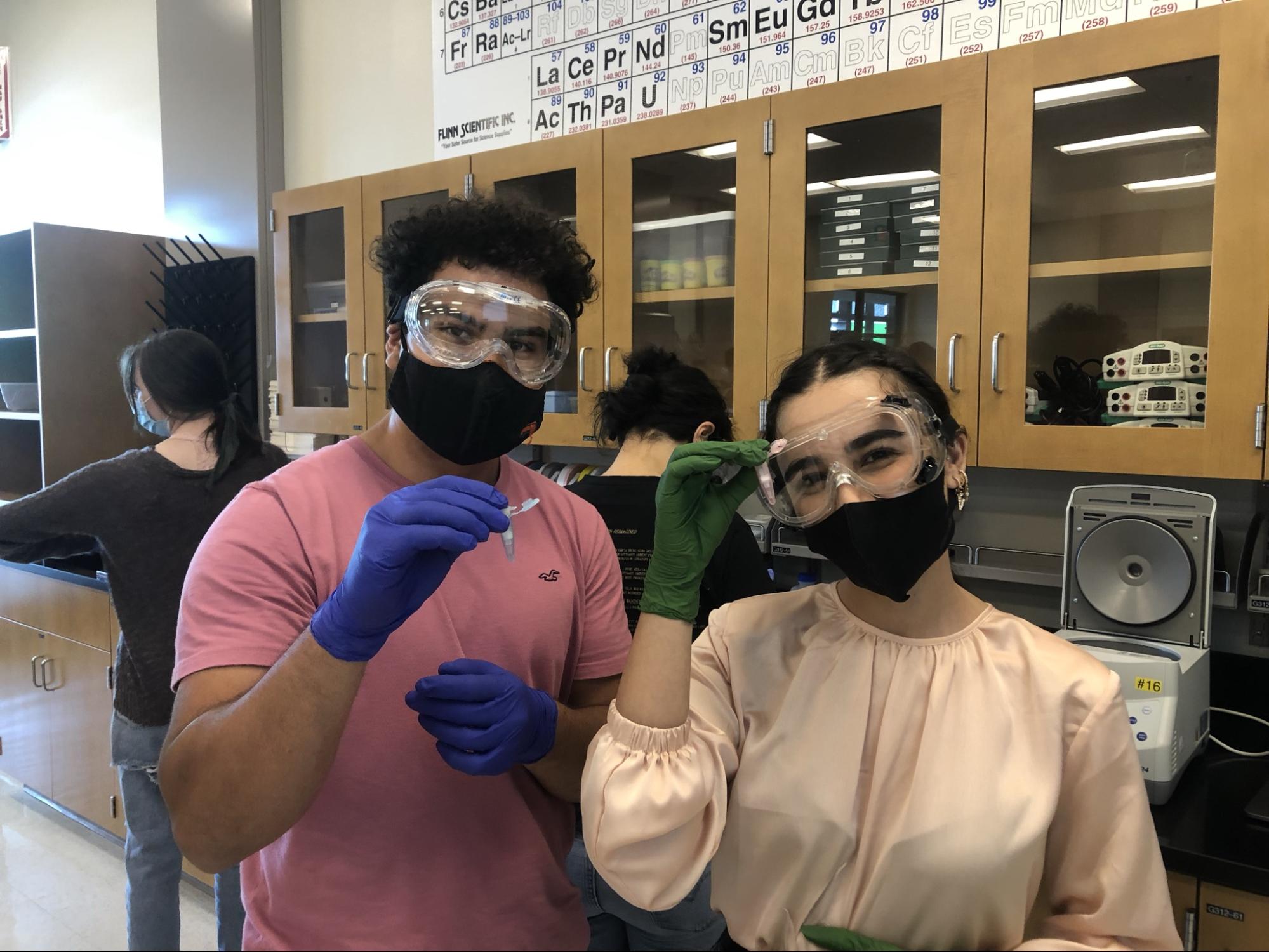
1. DNA extraction
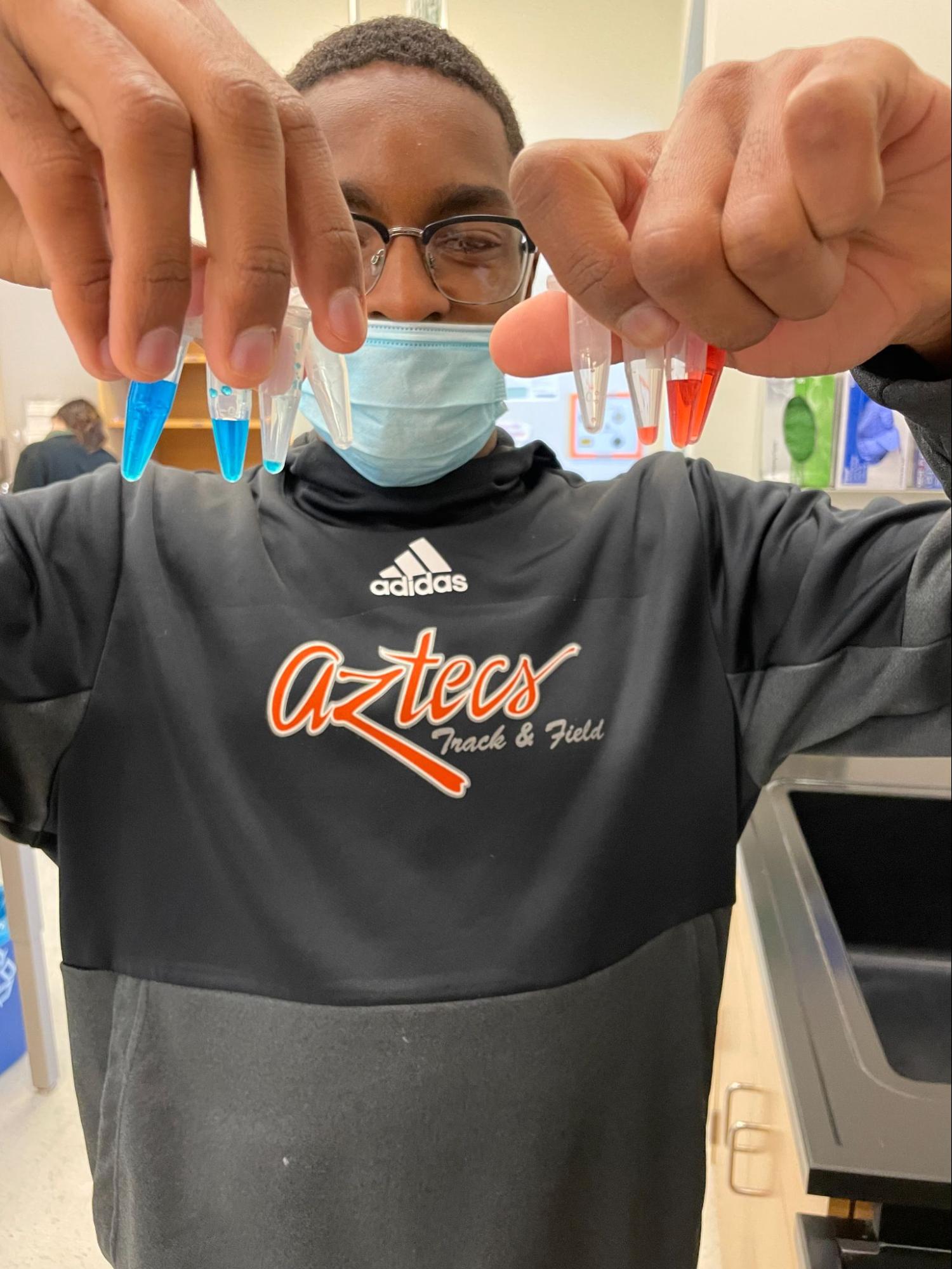
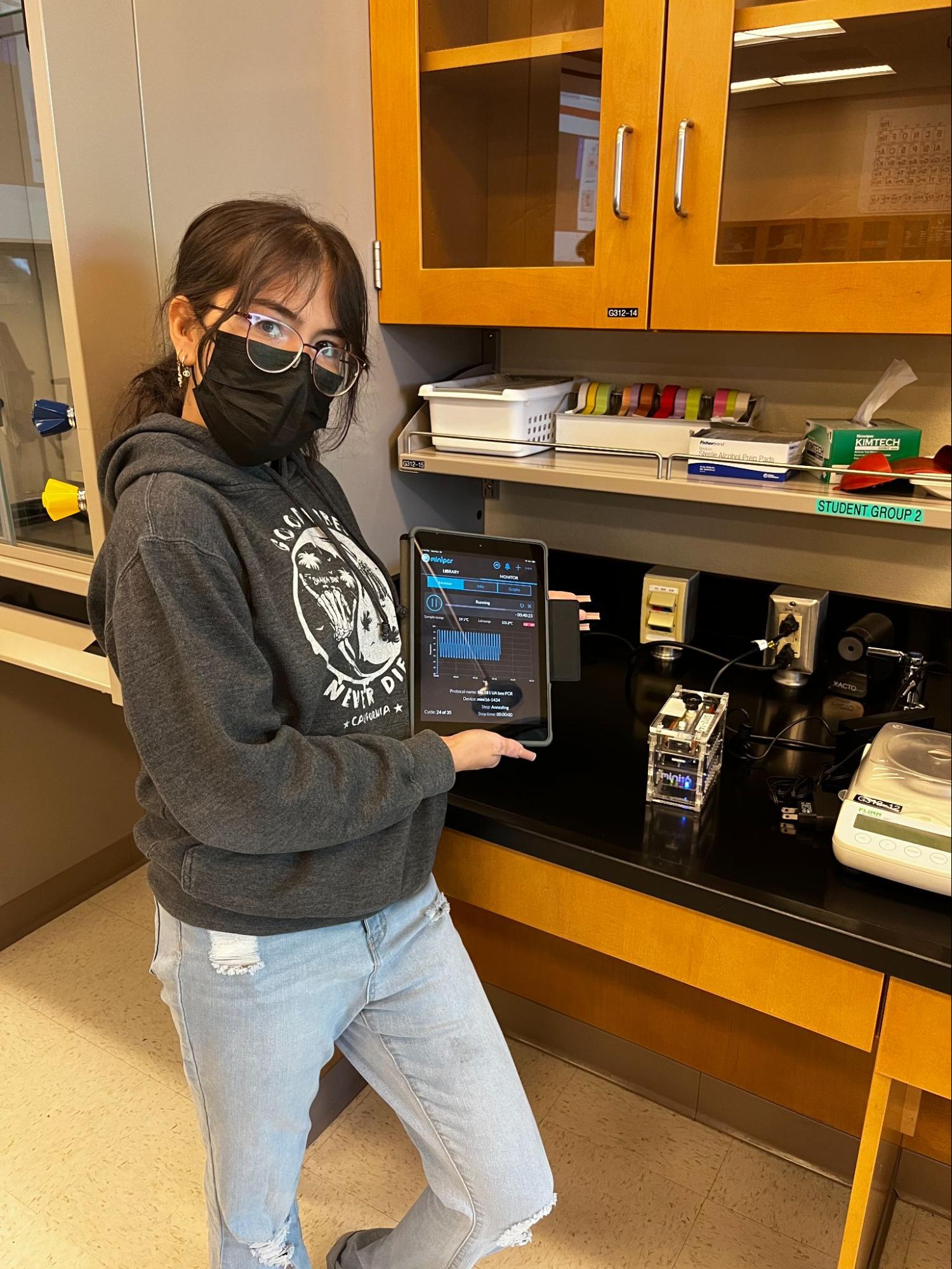
2. Polymerase Chain Reaction (PCR)
PCR makes many millions of copies of the gene of interest, improving chances of sequencing.
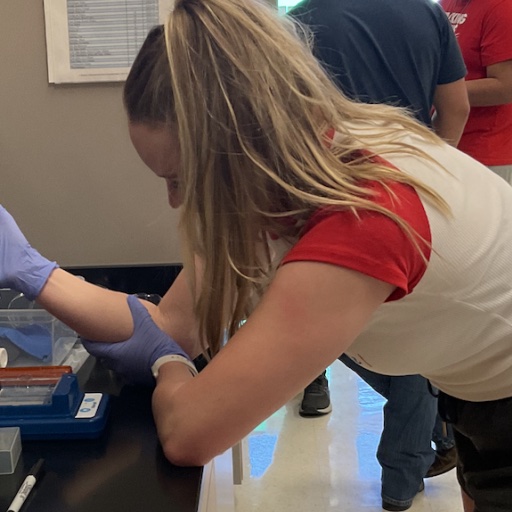
3. Sequencing
Samples are sent out to a commercial lab for DNA sequencing.
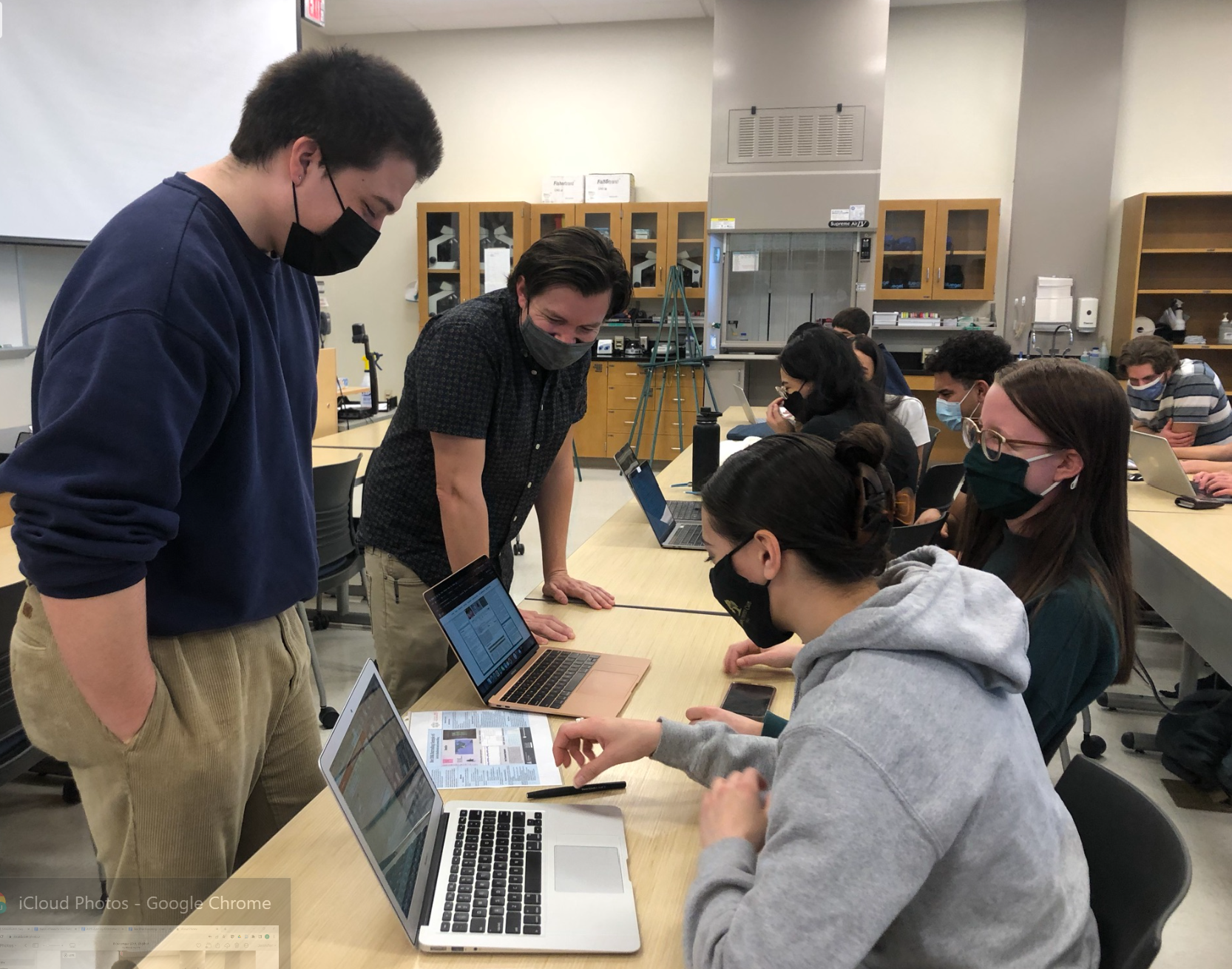
4. Viewing the results
Students view the results of DNA sequencing using DNA Subway and the Barcode of Life Database (BOLD).
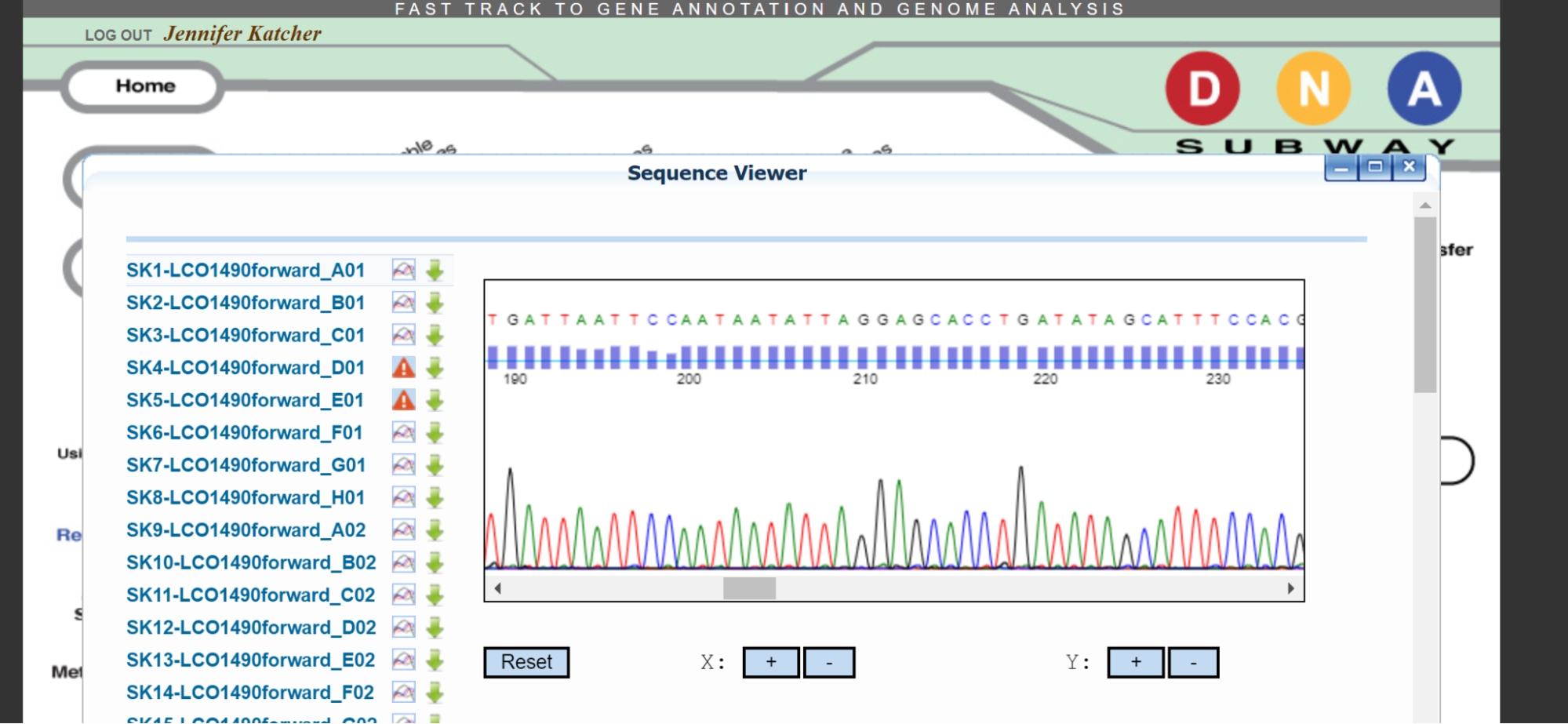
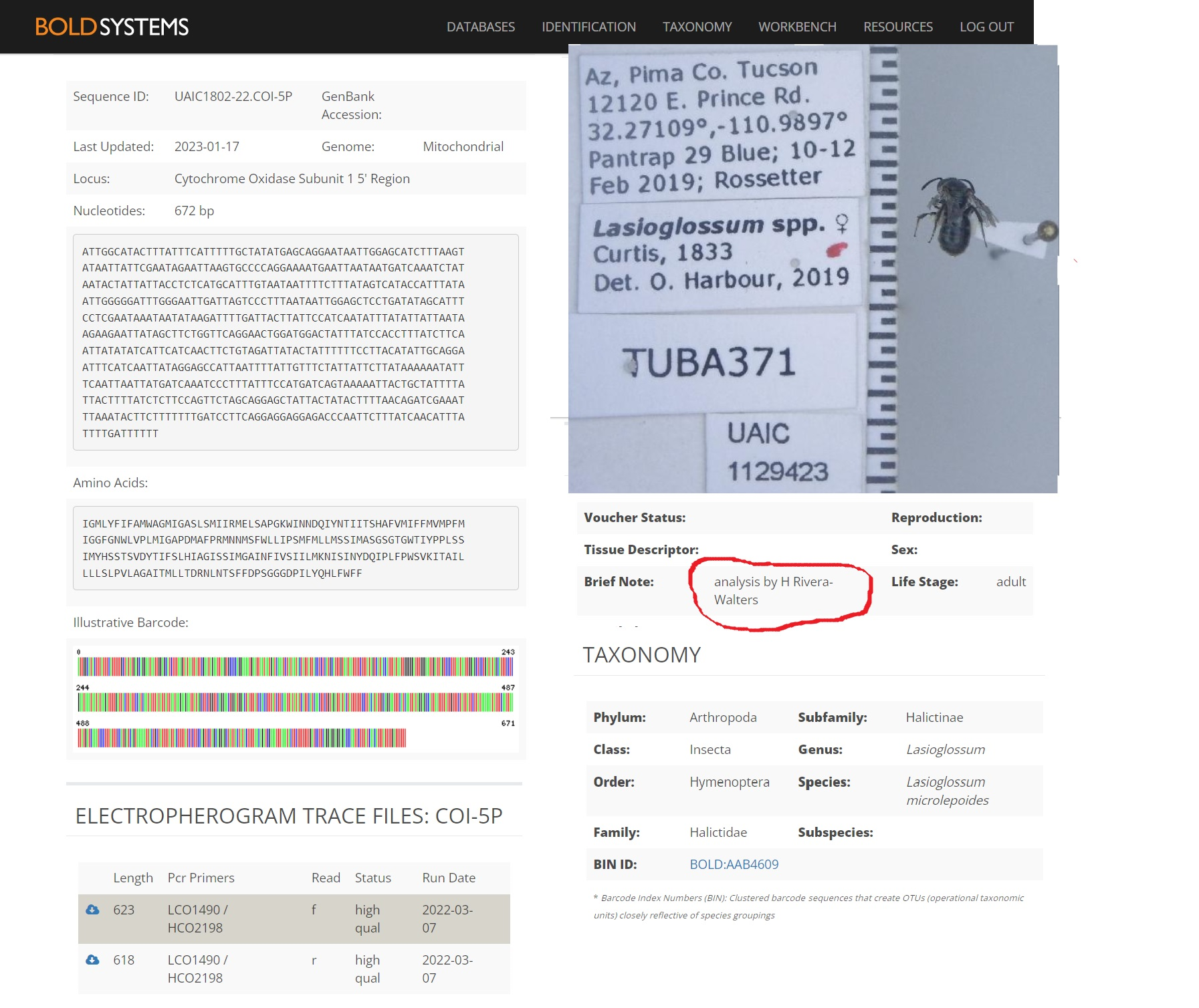
Results discussion
Dr. Kim Franklin, our Arizona Sonora Desert Museum research partner, met with students to discuss their results. Following Kim’s visit, students wrote a paragraph summarizing how their work supports the Tucson Bee Collaborative. Here’s a response from a student:
“Our class relates to the activities of Tucson Bee Collaborative through our mutual interest in cells down to the DNA. Our collaboration allows us the students to understand things by applying them in the real world, the tremendous benefit, experience and honor would have otherwise been lost.
Not only do we share mutual benefits, we also share the love of science and the attempt to leave a positive contribution and have our names remembered in the history of science.
[The Tucson Bee Collaborative] are interested in the identification of the bee’s species, and we are interested in learning more and more science. This is a great collaboration that I am grateful for, and nothing is greater than a partnership that results in good for the community.“
Public outreach and science engagement
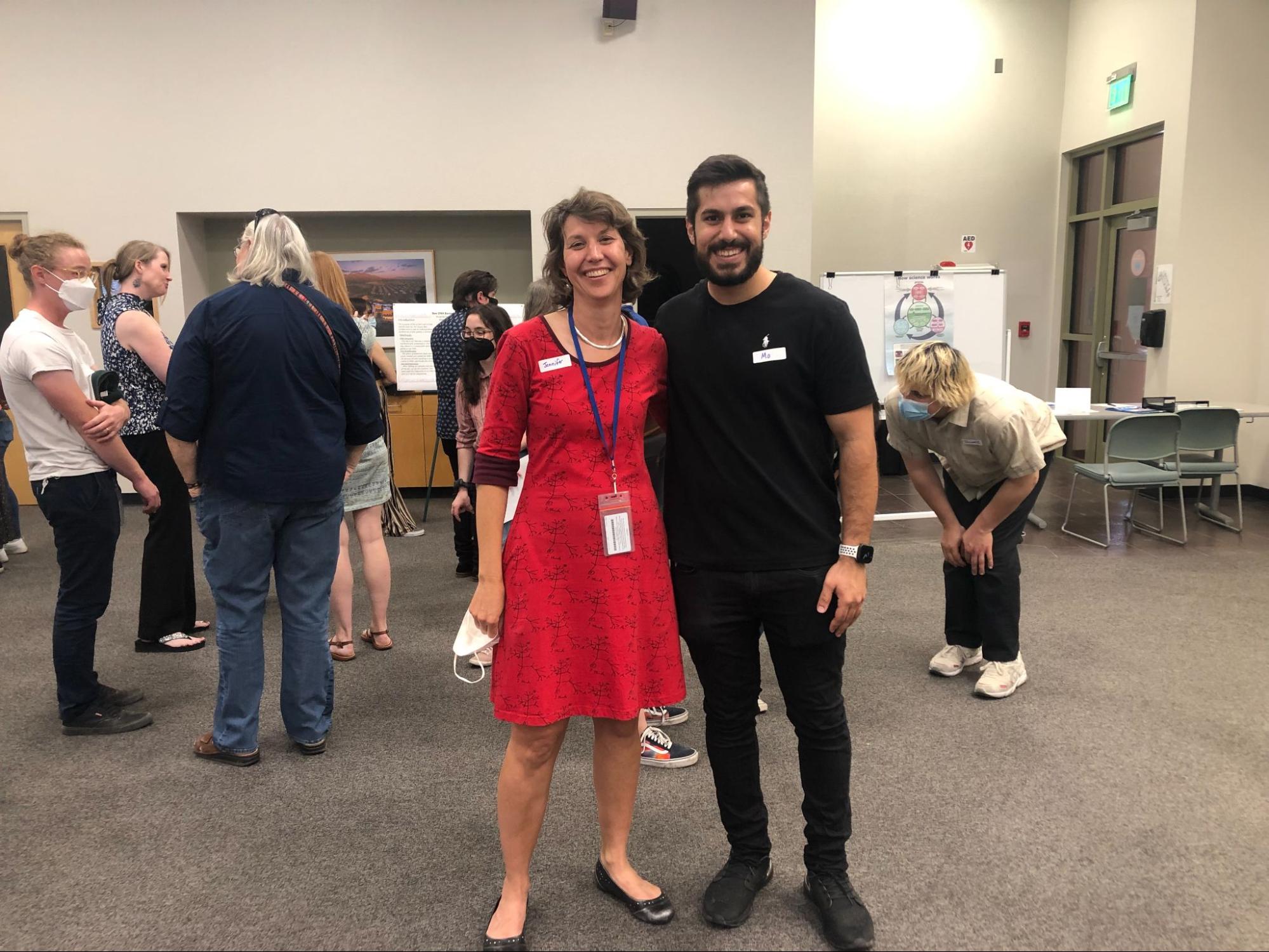
Students communicated their results to interested community members at an end-of-semester poster session and demonstration.
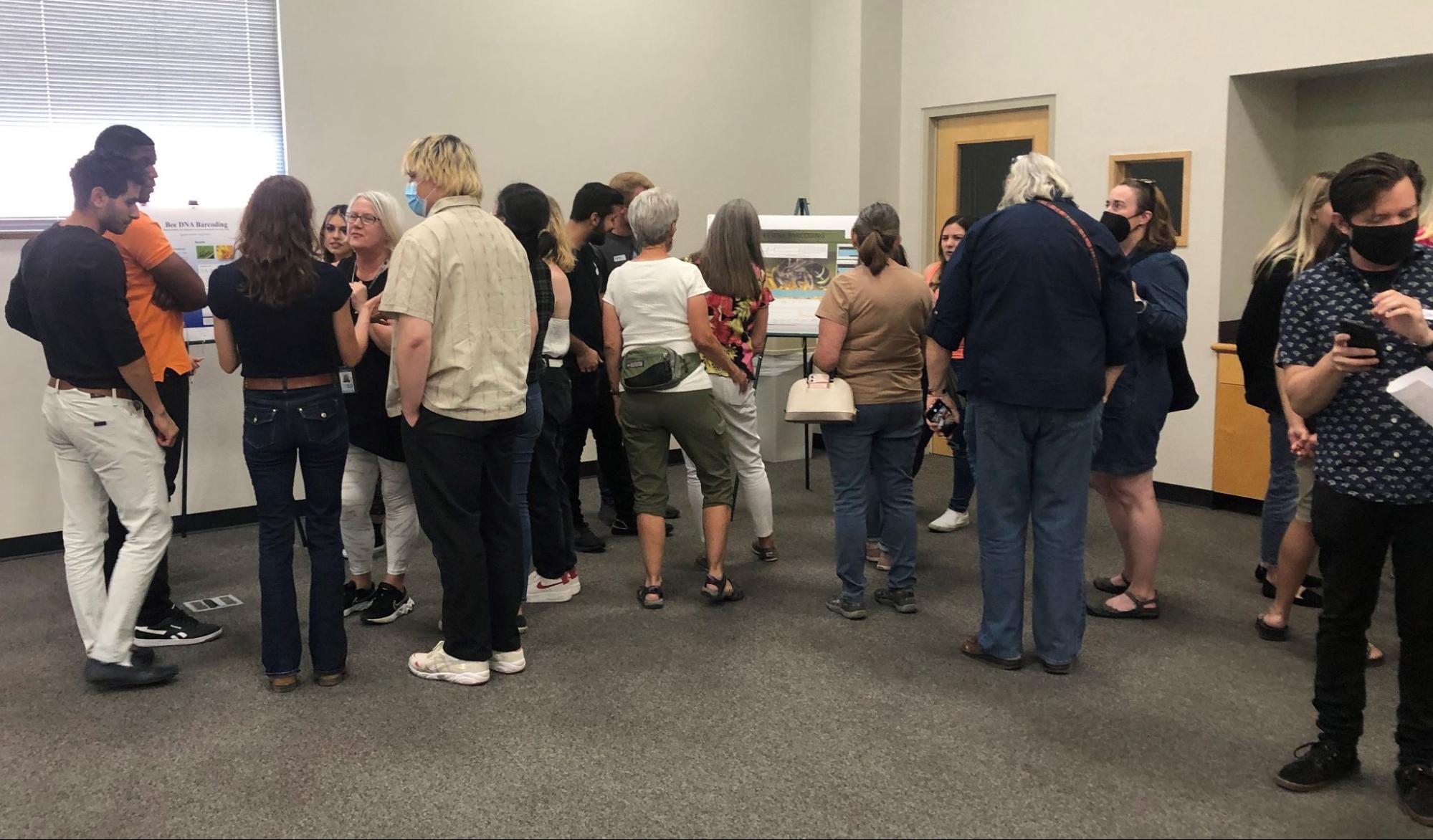
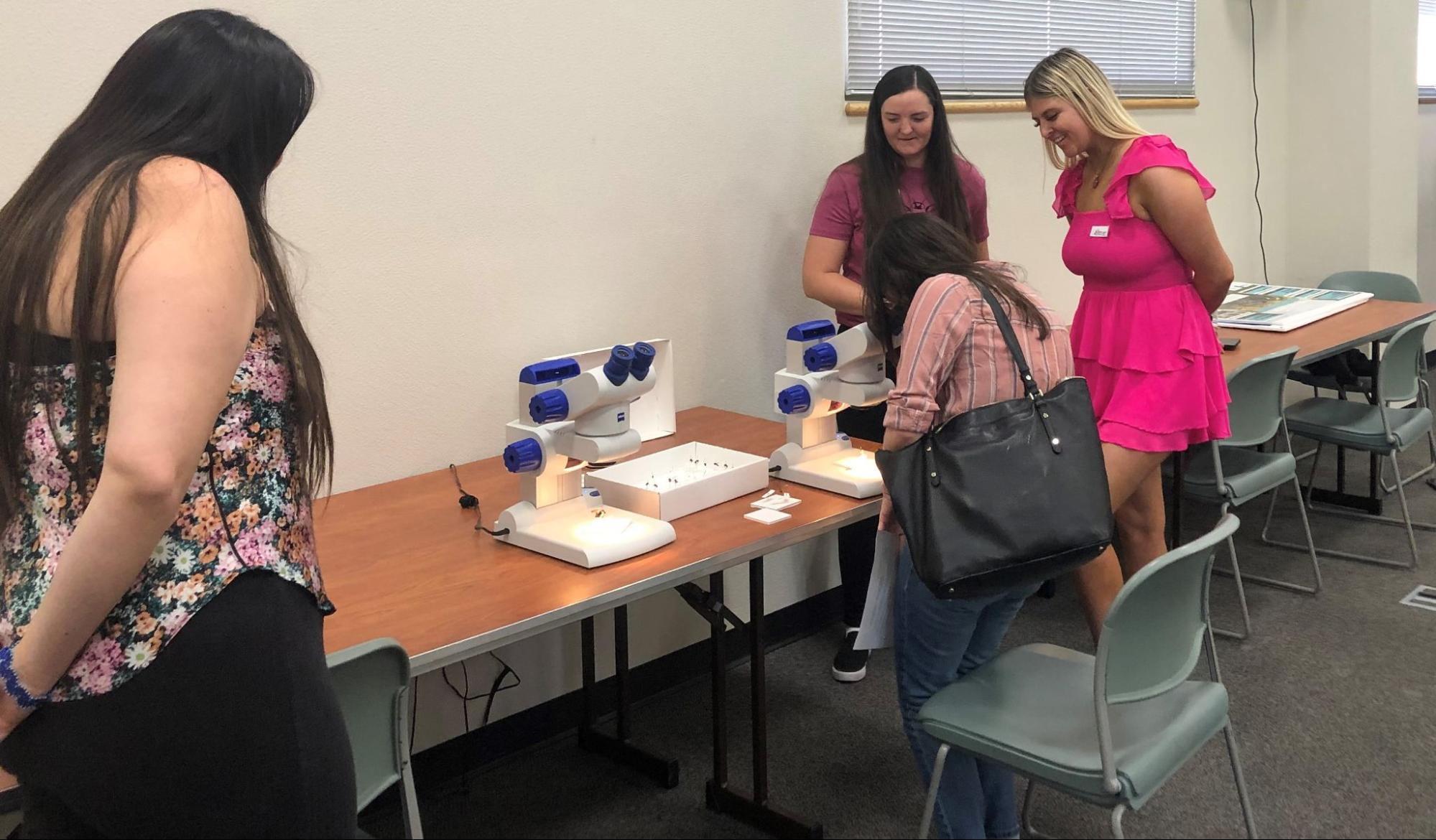
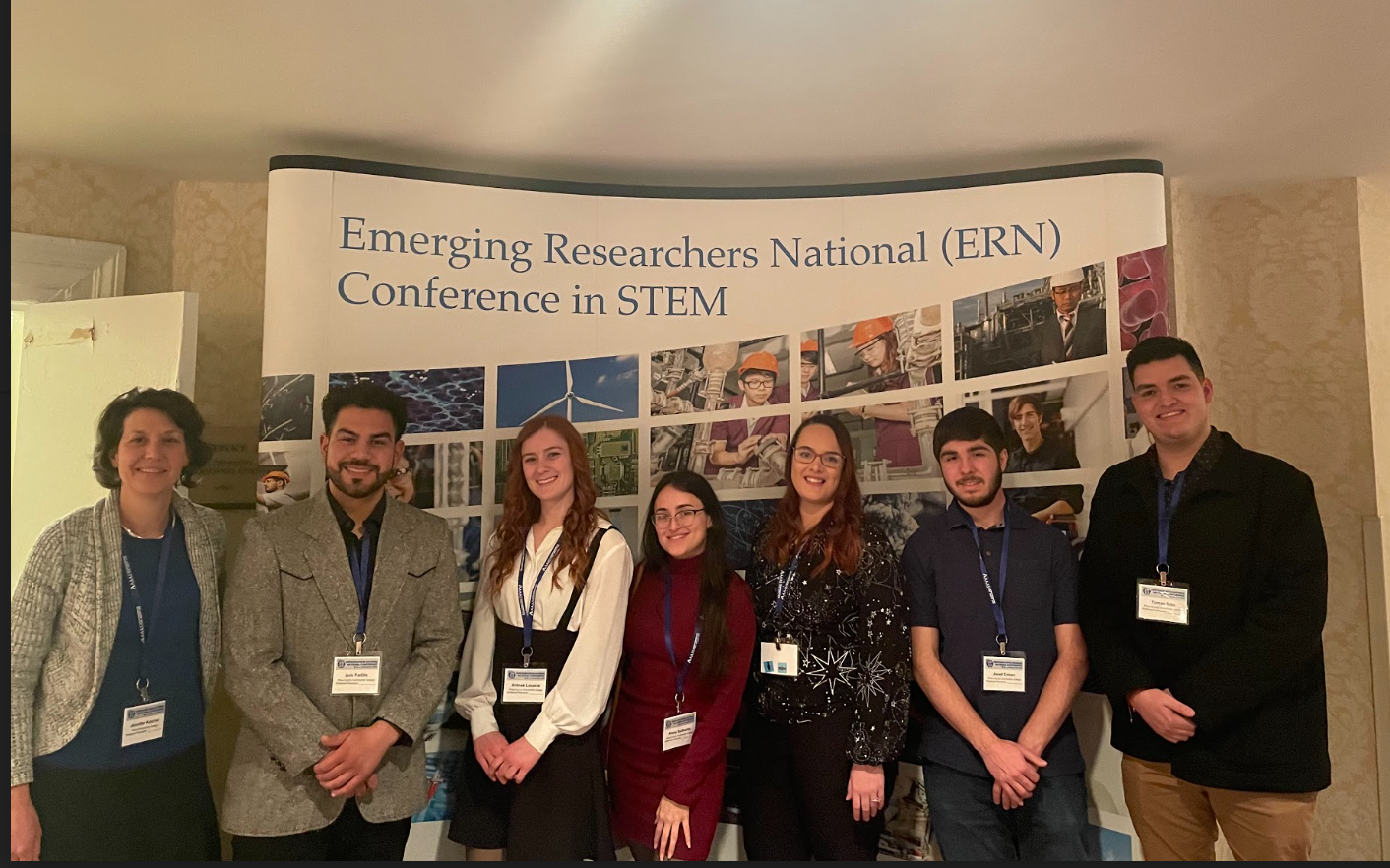
Six students traveled to Washington DC on Feb. 9-12, 2023 to attend the National Science Foundation’s Emerging Researchers Network conference. They presented research results from their bee DNA analysis work. Students also attended workshops to learn about future educational opportunities and STEM careers.
Educational research supported by NSF HSI program Award #1928400.
Educational research outcomes
Findings from the 2022 NSF annual report for the Bee DNA Barcoding CURE:
Students’ research self-efficacy increased throughout the course.
Students’ science identity increased throughout the course.
The course increased students’ knowledge of how to engage with their community, and for some students, increased their self-efficacy in doing so.
By the numbers
316
students have participated in TBC DNA barcoding
204
students have visited the UA and toured the UAIC
198
students have published records in the peer-reviewed Barcode of Life Database (BOLD)
150
students have created and presented posters in person
46
students have created and presented posters virtually
151
DNA sequences published, representing 85 different bee species
Explore the barcode records these students published to the Barcode of Life Data System.